Understanding the psychology behind gambling what drives players to take risks
Understanding the psychology behind gambling what drives players to take risks
The Allure of Risk: Understanding Player Motivation
The excitement of taking risks is a significant factor that draws many individuals to gambling. This thrill is often associated with the anticipation and adrenaline rush that comes from uncertain outcomes. When players place bets, they engage in a high-stakes game where the potential for loss is balanced by the possibility of substantial rewards. The brain releases dopamine during these moments, which reinforces the behavior, creating a cycle where the player seeks more of that exhilarating feeling. Additionally, many individuals explore platforms like https://mythoswincasinoonline.com/ to enhance their gambling experiences further.
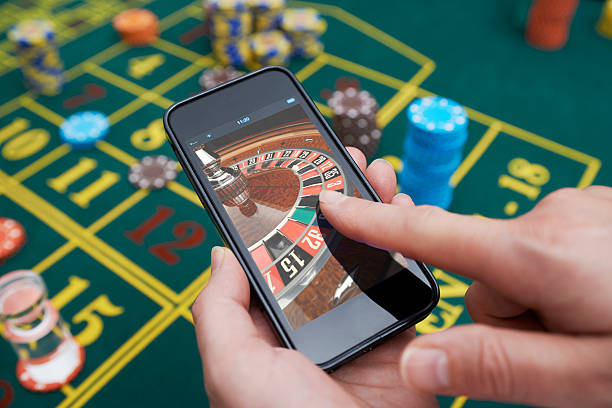
Moreover, the psychology of risk-taking extends beyond mere thrill-seeking. Many gamblers are influenced by cognitive biases that distort their perception of probability and chance. The gambler’s fallacy, for example, leads players to believe that previous outcomes will affect future results, often prompting them to continue betting despite losses. This flawed logic can result in increased risk-taking as individuals chase their losses, hoping to regain what they’ve lost through sheer determination or luck.
Another intriguing aspect of player motivation is the influence of social factors. Many individuals engage in gambling activities as a means of social interaction. Whether it’s a casual game night with friends or a trip to a casino, the social environment can heighten the sense of excitement. This communal aspect allows players to share experiences and emotions, further intensifying the risk-taking behavior as they feel buoyed by the support of their peers.
Addiction and Compulsion: The Dark Side of Gambling
For some individuals, gambling transcends mere entertainment and crosses into addiction. Gambling addiction is a complex behavioral disorder that can lead to devastating consequences, not only for the individual but also for their families and communities. This compulsive behavior is often fueled by a combination of psychological, biological, and environmental factors. The thrill of winning can create a powerful urge to gamble more, despite the adverse effects it may have on their life.
The neurological aspects of gambling addiction are profound. The brain’s reward system becomes wired to respond more intensely to gambling stimuli over time, making it increasingly difficult for individuals to resist the urge to gamble. Neuroimaging studies have shown that the brains of compulsive gamblers exhibit reduced activity in the prefrontal cortex, an area associated with decision-making and impulse control. This impairment can lead to irrational betting behaviors, pushing individuals deeper into a cycle of gambling.
Furthermore, societal pressures and stigmas surrounding gambling can compound the issue. Many gamblers struggle with feelings of shame and isolation, which can perpetuate their addiction. The lack of open discussions about responsible gambling can inhibit individuals from seeking help, creating a scenario where compulsive behavior flourishes unchecked. Understanding these psychological underpinnings is essential for fostering supportive environments and resources for those affected by gambling addiction.
Influence of Media and Culture on Gambling Behavior
The portrayal of gambling in popular culture plays a significant role in shaping attitudes and behaviors around it. Movies, television shows, and even social media often glamorize gambling, presenting it as a lifestyle filled with excitement and luxury. This pervasive representation can skew public perception, making gambling appear more appealing than it may be in reality. Young individuals, in particular, are susceptible to these influences, which can normalize risky behaviors associated with gambling.
Cultural narratives surrounding gambling also vary significantly across societies. In some cultures, gambling is celebrated as a form of entertainment and a rite of passage. In others, it may be viewed as taboo or a vice. These cultural contexts influence individual attitudes towards risk and can shape one’s gambling habits. For instance, a culture that promotes the idea of luck as a decisive factor may encourage more individuals to gamble, believing in favorable outcomes driven by chance.
Moreover, the rise of online gambling has added a new dimension to the influence of culture on gambling behavior. With easy access to gambling platforms, individuals can engage in betting from the comfort of their homes, often leading to impulsive decisions. Online communities further reinforce gambling behaviors through shared experiences and narratives that emphasize risk-taking as an integral aspect of modern entertainment. As a result, understanding these cultural influences is crucial for addressing responsible gambling initiatives effectively.
The Role of Emotional State in Gambling Decisions
The emotional state of an individual can profoundly influence their gambling decisions. Many people turn to gambling as a coping mechanism during times of stress or emotional turmoil. The instant gratification and thrill associated with placing bets can serve as an escape from reality, providing temporary relief from negative feelings. However, this can lead to a dangerous cycle where individuals use gambling to manage their emotions, often resulting in further complications.
Research shows that mood states significantly impact risk-taking behavior. For instance, individuals experiencing high levels of excitement or happiness may be more inclined to place bets, whereas those feeling sad or anxious may engage in more reckless gambling as a means of self-soothing. This emotional volatility can lead to erratic gambling patterns, contributing to higher risks of addiction and financial distress.
Additionally, understanding the link between emotions and gambling can pave the way for better intervention strategies. Mental health professionals often recommend addressing underlying emotional issues as part of a comprehensive approach to gambling addiction. By recognizing the triggers that lead individuals to gamble, effective coping strategies can be developed to replace gambling behaviors with healthier outlets for managing emotions.

Exploring MythosWin: A Platform for Responsible Gambling
In an era where gambling has become increasingly accessible, platforms like MythosWin are committed to promoting responsible gambling practices. The mission of such platforms is not just to provide entertainment but also to educate users about the risks associated with gambling and encourage responsible behaviors. By fostering a culture of awareness, these platforms aim to empower players to make informed decisions regarding their gambling activities.
MythosWin offers a variety of tools and resources to help players understand their gambling habits. Features such as self-assessment quizzes, limit-setting options, and access to support resources are integral to promoting a healthier gambling environment. By making these tools readily available, players can better manage their gambling, making it a fun and safe experience.
Ultimately, the collaboration between technology and psychological understanding is crucial for enhancing the gambling landscape. As we delve deeper into the psychology behind gambling, platforms like MythosWin stand out as proactive advocates for responsible practices, ensuring that players can enjoy the thrill of gambling without falling prey to its potential pitfalls.
